On this page
- What is zinc sulphate monohydrate?
- Zinc sulphate monohydrate grades: BP, USP and Feed
- Typical Zinc Sulphate Monohydrate specification
- What is zinc sulphate monohydrate used for?
- Monohydrate vs heptahydrate: which form to choose
- Regulatory status and HS code
- Packing, storage and handling
- Why source zinc sulphate monohydrate from Agarwal Life Sciences
- Related products and applications
- Frequently asked questions
- Sources
What is zinc sulphate monohydrate?
Zinc Sulphate Monohydrate is zinc sulphate carrying one molecule of water: ZnSO4·H2O, molecular weight 179.45 g/mol. Zinc makes up 36.43% of it by weight, calculated from that molecular weight, against about 22.7% in the heptahydrate.
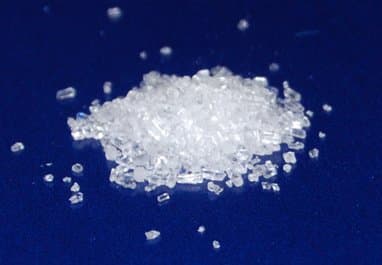
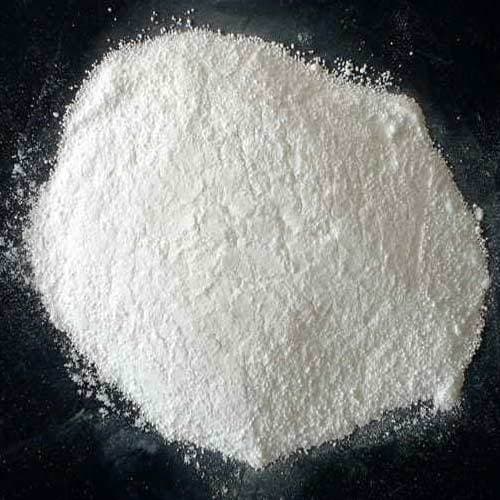
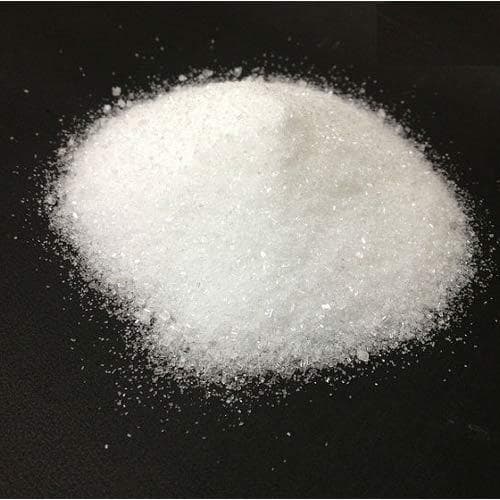
It is a white to off-white powder that is soluble in water and practically insoluble in alcohol. It holds its water up to about 238 °C, so its composition is more stable in storage than the heptahydrate, which loses water in dry air.
| Property | Value |
|---|---|
| Chemical name | Zinc sulphate monohydrate |
| CAS number | 7446-19-7 |
| Molecular formula | ZnSO4·H2O |
| Molecular weight | 179.45 g/mol |
| Elemental zinc | 36.43% (theoretical) |
| Appearance | White to off-white powder |
| Solubility | Soluble in water; practically insoluble in alcohol |
| pH (50 g/L solution) | 4.0–5.6 |
Zinc sulphate monohydrate grades: BP, USP and Feed
| Grade | Standard | Typical use |
|---|---|---|
| BP | British Pharmacopoeia (Ph. Eur. monograph) | Zinc tablets and capsules for the UK, EU and BP-referencing markets |
| USP | United States Pharmacopeia | Zinc medicines and supplements for the US and USP markets |
| Feed | Feed-grade specification | Animal feed and feed premixes |
The USP Zinc Sulfate monograph covers both hydrates. For the monohydrate it requires an assay of 99.0–100.5% ZnSO4·H2O and limits lead to 20 ppm and arsenic to 14 ppm, and the label must state the hydrate and, for oral and injectable preparations, the elemental zinc content.
Specifications follow the current edition
These limits are summarised from the USP 35 text for illustration; impurity limits have since moved to the elemental impurities chapters. Supply is tested to the current edition of the grade you order. Ask us for the specification and certificate of analysis for your grade.
Typical Zinc Sulphate Monohydrate specification
| Assay | 99.0 - 100.5% |
| Free Acid | pH > 4.4 |
| Loss on Drying | 33.0 - 36.5% |
| Lead (Pb) | Less than 10 ppm |
| Cadmium (Cd) | Less than 5 ppm |
| Arsenic (As) | Less than 3 ppm |
| Mercury (Hg) | Less than 2 ppm |
Typical values. Grade-specific specifications and a certificate of analysis are available on request.
What is zinc sulphate monohydrate used for?
- Pharmaceuticals and supplements: compact zinc tablets and capsules, where the higher zinc content keeps doses small.
- Food fortification: a zinc source for fortified flour and cereal products.
- Nutritional premixes: dry vitamin and mineral blends.
- Animal feed: the usual zinc source in feed premixes for poultry, pigs, cattle and other species.
- Agriculture: a zinc micronutrient fertiliser for zinc-deficient soils, applied to the soil or as a foliar spray.
Monohydrate vs heptahydrate: which form to choose
| Monohydrate | Heptahydrate | |
|---|---|---|
| Formula | ZnSO4·H2O | ZnSO4·7H2O |
| Elemental zinc (theoretical) | 36.4% | 22.7% |
| CAS number | 7446-19-7 | 7446-20-0 |
| Appearance | White to off-white powder | White crystals or crystalline powder |
| In storage | Holds its water content | Efflorescent: loses water in dry air |
| Typical choice | Dry premixes, feed, fertilisers and tablets | Solutions, syrups and pharmaceutical processing |
The monohydrate carries about 1.6 times as much zinc per kilogram, so less material, packing and freight are needed for the same zinc. Agarwal Life Sciences manufactures both forms.
Regulatory status and HS code
- United States: zinc sulphate is GRAS under 21 CFR 182.8997 when used in accordance with good manufacturing practice.
- European Union, food: a permitted form of zinc for adding to foods under Regulation (EC) No 1925/2006 and for food supplements under Directive 2002/46/EC.
- European Union, feed: zinc sulphate monohydrate is authorised as a trace-element feed additive for all animal species under Commission Implementing Regulation (EU) 2016/1095.
- India: zinc sulphate is the zinc source named in FSSAI's fortification regulations for atta and maida (10–15 mg zinc per kg) and for cereal products and bakery wares.
- HS code: 2833.29, other sulphates. Confirm the national tariff line with your customs agent.
Check the rules in your market
Regulations, feed maximum levels and permitted food uses differ by country and change over time. Confirm the requirements for your product with your regulatory team, and ask us which documents are available for your grade.
Packing, storage and handling
Agarwal Life Sciences packs Zinc Sulphate Monohydrate in 25 kg paper bags with a liner, or in 50 kg HDPE drums.
Store it in tight containers in a cool, dry place. Zinc sulphate is harmful if swallowed, can cause serious eye damage and is very toxic to aquatic life, so wear eye protection, avoid release to drains, and follow the safety data sheet.
Why source zinc sulphate monohydrate from Agarwal Life Sciences
- Monohydrate and heptahydrate from one manufacturer, alongside our iron salts.
- BP, USP and Feed grades.
- 30 years of manufacturing experience, at two GMP plants at MIDC Boisar–Tarapur, Maharashtra.
- Certified to GMP, ISO 9001:2015, FSSC 22000 and FAMI-QS, with Halal and Kosher certification.
- Supplying customers in 39 countries; certificate of analysis and samples on request.
Frequently asked questions
What is the CAS number of zinc sulphate monohydrate?
The CAS number is 7446-19-7. The heptahydrate is 7446-20-0 and anhydrous zinc sulphate is 7733-02-0.
How much zinc is in zinc sulphate monohydrate?
About 36.4% elemental zinc by weight, calculated from its molecular weight of 179.45 g/mol. Feed and fertiliser grades are commonly sold on a guaranteed minimum zinc content.
What is the difference between zinc sulphate monohydrate and heptahydrate?
The monohydrate carries one molecule of water and about 36.4% zinc; the heptahydrate carries seven and about 22.7% zinc. The monohydrate is more concentrated and stable for dry premixes, feed and tablets; the heptahydrate dissolves readily for liquids.
Why is the monohydrate preferred for feed premixes?
It supplies about 1.6 times as much zinc per kilogram and does not lose water in storage, so it blends and keeps better in dry premixes.
Is zinc sulphate approved for food and feed?
Yes. It is GRAS in the US under 21 CFR 182.8997, a permitted zinc form for fortified foods and supplements in the EU, the zinc source named in FSSAI fortification regulations in India, and an authorised feed additive in the EU.
What is the HS code for zinc sulphate monohydrate?
Zinc sulphate falls under HS 2833.29, other sulphates; the former subheading 2833.26 was merged into it in 2007. Confirm the national tariff line with your customs agent.
Is zinc sulphate hazardous?
It is harmful if swallowed, can cause serious eye damage and is very toxic to aquatic life. Handle it with eye protection and dust control, following the safety data sheet.
What packing is zinc sulphate monohydrate supplied in?
25 kg paper bags with a liner, or 50 kg HDPE drums.
Sources
- PubChem: Zinc sulfate monohydrate (CID 62639)
- Merck Index data: Zinc sulfate (properties and CAS numbers)
- USP 35 monograph: Zinc Sulfate
- Merck: Zinc sulfate monohydrate (pH and solubility)
- US 21 CFR 182.8997: Zinc sulfate (GRAS)
- Regulation (EC) No 1170/2009: permitted vitamin and mineral substances
- Commission Implementing Regulation (EU) 2016/1095: zinc compounds as feed additives
- FSSAI: Compendium of Food Fortification Regulations (2021)
- Safety data sheet: zinc sulphate (CLP classification)
- Tariff: HS 2833.29, other sulphates
Last reviewed 2 October 2026. For information on industrial supply only; not medical advice.