On this page
- What is ferrous sulphate monohydrate?
- Dried ferrous sulphate grades: BP, USP and Feed
- Typical Ferrous Sulphate Monohydrate specification
- What is ferrous sulphate monohydrate used for?
- Monohydrate vs heptahydrate: which form to choose
- Dried ferrous sulphate in flour fortification
- Regulatory status and HS code
- Packing and storage
- Why source dried ferrous sulphate from Agarwal Life Sciences
- Related products and applications
- Frequently asked questions
- Sources
What is ferrous sulphate monohydrate?
Ferrous Sulphate Monohydrate is iron(II) sulphate carrying one molecule of water: FeSO4·H2O, molecular weight 169.92 g/mol. Iron makes up 32.87% of it by weight, calculated from that molecular weight, against about 20% in the heptahydrate.
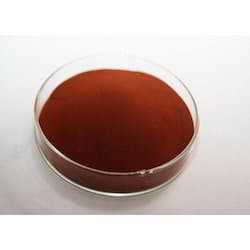
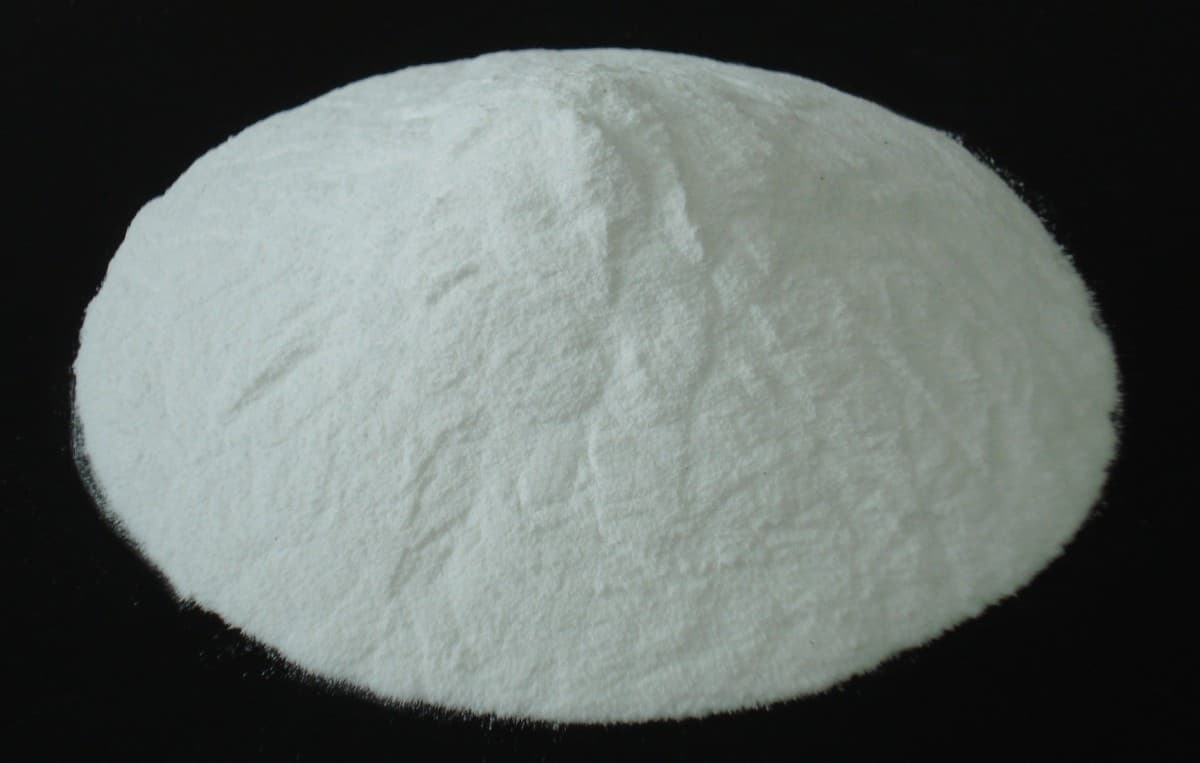
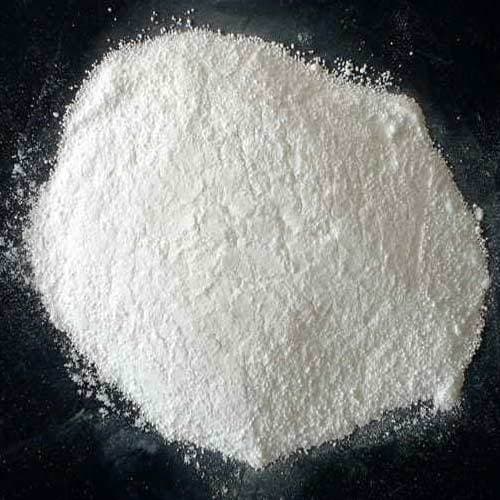
The pharmacopoeias call it dried ferrous sulphate: hydrated ferrous sulphate from which part of the water has been removed by drying. It is a greyish-white to buff powder that dissolves slowly but completely in water.
| Property | Value |
|---|---|
| Chemical name | Iron(II) sulphate monohydrate; dried ferrous sulphate |
| CAS number | 17375-41-6 (13463-43-9 and 7720-78-7 are also cited) |
| Molecular formula | FeSO4·H2O |
| Molecular weight | 169.92 g/mol |
| Elemental iron | 32.87% (theoretical) |
| Appearance | Greyish-white to buff powder |
| Solubility | Slowly but freely soluble in water |
Dried ferrous sulphate grades: BP, USP and Feed
| Grade | Standard | Typical use |
|---|---|---|
| BP | British Pharmacopoeia (Ph. Eur. monograph) | Iron tablets and capsules for BP and EU markets |
| USP | United States Pharmacopeia (Dried Ferrous Sulfate) | Iron tablets and supplements for the US and USP markets |
| Feed | Feed-grade specification | Animal feed and feed premixes |
| Test | USP | Ph. Eur. / BP |
|---|---|---|
| Assay (as FeSO4) | 86.0–89.0% | 86.0–90.0% |
| Ferric ions | n/a | Not more than 0.50% |
| pH (solution) | n/a | 3.0–4.0 |
| Insoluble substances | Not more than 0.05% | n/a |
Specifications follow the current edition
The limits above are summarised from the USP 35 and Ph. Eur. 6.0 monograph texts for comparison; impurity limits have since moved to the elemental impurities chapters. Supply is tested to the current edition of the grade you order. Ask us for the specification and certificate of analysis for your grade.
Typical Ferrous Sulphate Monohydrate specification
| Items | Standard |
|---|---|
| FeSO4.H20 | 89% min |
| Fe | 30% min |
| Pb | 15 ppm max |
| Cd | 10 ppm max |
| Hg | Nil |
| As | Nil |
Typical values. Grade-specific specifications and a certificate of analysis are available on request.
What is ferrous sulphate monohydrate used for?
- Pharmaceuticals: compact iron tablets and capsules for iron deficiency anaemia, where the higher iron content keeps doses small.
- Flour and food fortification: an iron source for wheat flour, double fortified salt and cereal products.
- Nutritional premixes: dry blends of vitamins and minerals for food manufacturers.
- Animal feed: the most common iron source in feed premixes for poultry, pigs, cattle and other species.
- Agriculture and industry: iron micronutrient fertilisers, reduction of chromium(VI) in cement, and water treatment.
Monohydrate vs heptahydrate: which form to choose
| Monohydrate (dried) | Heptahydrate | |
|---|---|---|
| Formula | FeSO4·H2O | FeSO4·7H2O |
| Elemental iron (theoretical) | 32.9% | 20.1% |
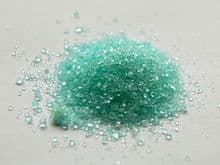
| Appearance | Greyish-white to buff powder | Light green to bluish-green crystals |
| Dissolving | Slowly but completely | Quickly |
| Stability | More stable in storage | Loses water in dry air and oxidises in moist air |
| Typical choice | Dry premixes, feed, flour fortification, tablets | Solutions and pharmaceutical processing |
The monohydrate carries about 1.6 times as much iron per kilogram, so less material, packing and freight are needed for the same iron. Agarwal Life Sciences manufactures both forms.
Dried ferrous sulphate in flour fortification
The WHO and its partners recommend ferrous sulphate as an iron fortificant for low-extraction (white) wheat flour, at the same levels as Ferrous Fumarate: 60 ppm of iron where people eat less than 150 g of flour a day, 30 ppm at 150–300 g, and 20 ppm above 300 g. Technical guidance for flour specifies the dried form.
In India, FSSAI's fortification regulations permit ferrous sulphate for fortified atta and maida (28–42.5 mg iron per kg), double fortified salt (850–1100 ppm iron) and fortified cereal products and bakery wares. It is not a permitted iron source for fortified rice.
Being water-soluble, ferrous sulphate can cause colour and flavour changes in some cereal foods, so test the finished product; Ferrous Fumarate is an alternative for sensitive foods.
Regulatory status and HS code
- United States: affirmed as GRAS under 21 CFR 184.1315, which covers both the heptahydrate and the dried form, as a nutrient supplement and processing aid.
- European Union, food: a permitted form of iron for adding to foods under Regulation (EC) No 1925/2006 and for food supplements under Directive 2002/46/EC.
- European Union, feed: iron(II) sulphate monohydrate is authorised as a trace-element feed additive for all animal species under Commission Implementing Regulation (EU) 2017/2330 (identification number 3b103), incorporated into feed as a premixture.
- India: a permitted iron source under the FSSAI food fortification regulations.
- HS code: 2833.29 (India ITC-HS 2833 29 10, ferrous sulphate).
Check the rules in your market
Regulations, feed maximum levels and permitted food uses differ by country and change over time. Confirm the requirements for your product with your regulatory team, and ask us which documents are available for your grade.
Packing and storage
Agarwal Life Sciences packs Ferrous Sulphate Monohydrate in 25 kg paper bags with a liner, or in 50 kg HDPE drums.
It is more stable than the heptahydrate, but like all ferrous salts it oxidises and browns in moist air. Store it in airtight containers in a cool, dry place and reseal opened packs.
Why source dried ferrous sulphate from Agarwal Life Sciences
- Monohydrate and heptahydrate from one manufacturer, alongside Ferrous Fumarate.
- BP, USP and Feed grades.
- 30 years of manufacturing experience, at two GMP plants at MIDC Boisar–Tarapur, Maharashtra.
- Certified to GMP, ISO 9001:2015, FSSC 22000 and FAMI-QS, with Halal and Kosher certification.
- Supplying customers in 39 countries; certificate of analysis and samples on request.
Frequently asked questions
Is dried ferrous sulphate the same as ferrous sulphate monohydrate?
Essentially, yes. The pharmacopoeias define dried ferrous sulphate as hydrated ferrous sulphate with part of its water removed; it consists mainly of the monohydrate.
How much iron is in ferrous sulphate monohydrate?
About 32.9% elemental iron by weight, calculated from its molecular weight of 169.92 g/mol. Feed-grade product is commonly sold on a guaranteed iron content.
What is the CAS number of ferrous sulphate monohydrate?
The CAS number is 17375-41-6. You may also see 13463-43-9 (the hydrate) and 7720-78-7 (anhydrous ferrous sulphate) on monographs and documents.
What is the USP assay for dried ferrous sulfate?
The USP Dried Ferrous Sulfate monograph requires 86.0–89.0% FeSO4. The Ph. Eur. dried ferrous sulphate monograph allows 86.0–90.0%.
Why is the monohydrate preferred for feed premixes?
It carries about 1.6 times as much iron per kilogram as the heptahydrate and is more stable in storage, so it blends and keeps better in dry premixes.
Is ferrous sulphate allowed in fortified rice in India?
No. FSSAI permits ferrous sulphate for fortified atta, maida, double fortified salt and cereal products, but fortified rice must use ferric pyrophosphate or sodium iron EDTA.
What is the difference between ferrous sulphate monohydrate and heptahydrate?
The monohydrate carries one molecule of water and about 33% iron; the heptahydrate carries seven and about 20% iron. The monohydrate suits dry premixes, feed and flour; the heptahydrate dissolves quickly for liquids.
What is the HS code for ferrous sulphate monohydrate?
Ferrous sulphate is classified under HS code 2833.29. The Indian ITC-HS code is 2833 29 10.
What packing is ferrous sulphate monohydrate supplied in?
25 kg paper bags with a liner, or 50 kg HDPE drums.
Sources
- PubChem: Ferrous sulfate monohydrate (CID 62712)
- USP 35 monograph: Dried Ferrous Sulfate
- Ph. Eur. 6.0 monograph 2340: Ferrous sulphate, dried
- JECFA specification: Ferrous sulfate, dried (1999)
- US 21 CFR 184.1315: Ferrous sulfate (GRAS)
- WHO: Recommendations on wheat and maize flour fortification (2009)
- FSSAI: Compendium of Food Fortification Regulations (2021)
- Zimmermann et al. (2005): comparison of iron fortification compounds
- Regulation (EU) No 1161/2011: permitted mineral substances in foods and supplements
- Commission Implementing Regulation (EU) 2017/2330: iron compounds as feed additives
- UK FSA register: iron(II) sulphate monohydrate, 3b103
- India ITC-HS 2833 29 10: Ferrous sulphate
Last reviewed 2 October 2026. For information on industrial supply only; not medical advice.