On this page
- What is fumaric acid?
- Fumaric acid grades: FCC, Technical and Feed
- Typical Fumaric Acid specification
- What is fumaric acid used for?
- Fumaric acid vs citric acid and malic acid
- Regulatory status and HS code
- Packing and storage
- Why source fumaric acid from Agarwal Life Sciences
- Related products and applications
- Frequently asked questions
- Sources
What is fumaric acid?
Fumaric Acid, (E)-but-2-enedioic acid, is a dicarboxylic organic acid with the formula C4H4O4 and a molecular weight of 116.07 g/mol. It is made commercially by isomerising maleic acid, and it occurs naturally in plants and in the body, where it is part of the citric acid cycle.
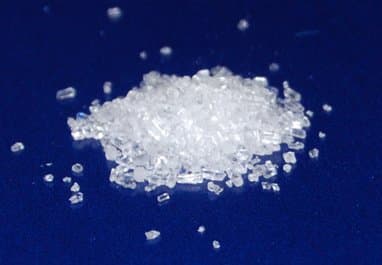
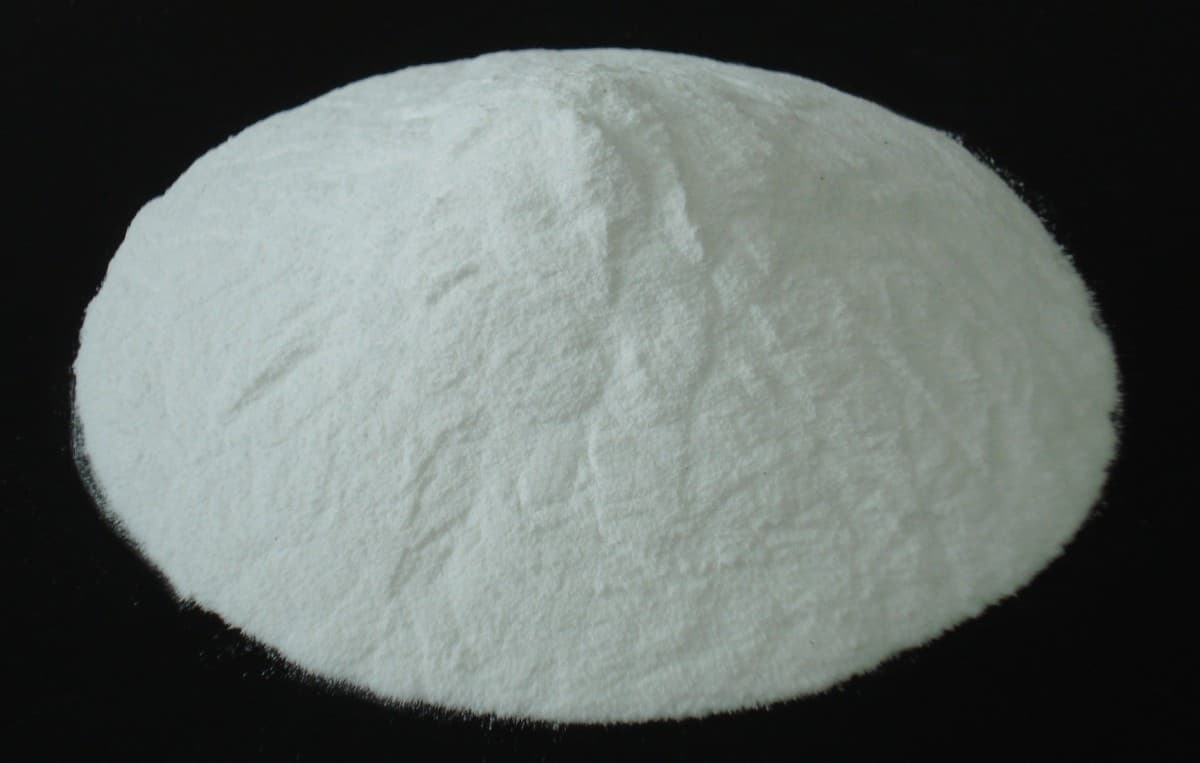
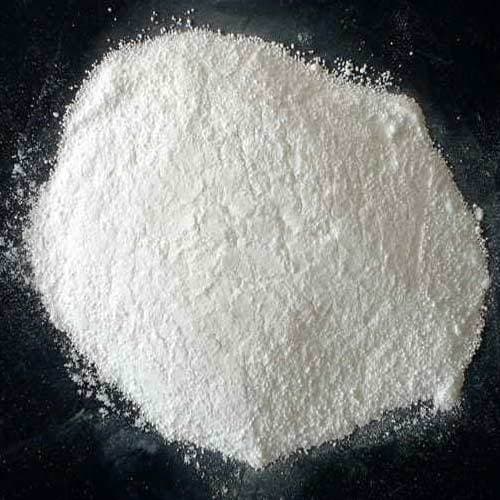
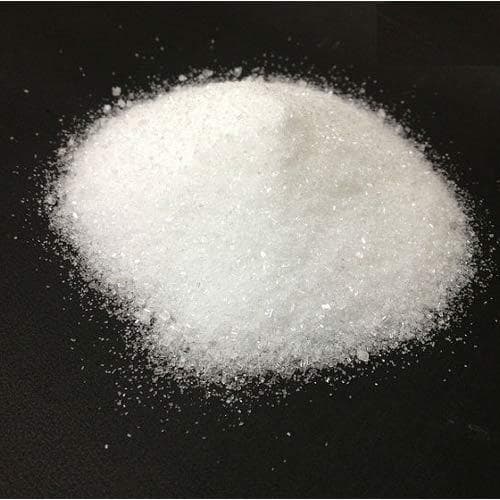
It is a white crystalline solid that is only slightly soluble in water and almost insoluble in oils. Unlike citric acid it does not take up moisture from the air, which is why it keeps dry mixes free-flowing.
| Property | Value |
|---|---|
| Chemical name | (E)-but-2-enedioic acid; trans-butenedioic acid |
| CAS number | 110-17-8 |
| Molecular formula | C4H4O4 |
| Molecular weight | 116.07 g/mol |
| Appearance | White crystalline powder |
| Solubility in water | 0.63 g per 100 g at 25 °C; 9.8 g per 100 g at 100 °C |
| Melting point | 287 °C (sublimes from about 200 °C) |
| Acid dissociation constants | pKa1 3.03; pKa2 4.44 (18 °C) to 4.54 (25 °C) |
Fumaric acid grades: FCC, Technical and Feed
| Grade | Standard | Typical use |
|---|---|---|
| FCC | Food Chemicals Codex | Food and beverage acidulant; raw material for food-grade salts |
| Technical | Technical specification | Resins, inks, paper sizing and other industrial uses |
| Feed | Feed-grade specification | Feed preservative and acidifier |
Food-grade Fumaric Acid is held to tight purity limits. The table summarises the key tests in the USP-NF monograph and the EU food additive specification for E297.
| Test | USP-NF | EU (E297) |
|---|---|---|
| Assay (anhydrous basis) | 99.5–100.5% | Not less than 99.0% |
| Maleic acid | Not more than 0.1% | Not more than 0.1% |
| Water / loss on drying | Not more than 0.5% | Not more than 0.5% |
| Residue on ignition / sulphated ash | Not more than 0.1% | Not more than 0.1% |
| Arsenic | n/a | Not more than 3 mg/kg |
| Lead | n/a | Not more than 2 mg/kg |
| Mercury | n/a | Not more than 1 mg/kg |
Specifications follow the current edition
The USP-NF limits are summarised from the USP 32 text and the EU limits from Regulation (EU) No 231/2012, for comparison. Supply is tested to the current specification of the grade you order. Ask us for the specification and certificate of analysis for your grade.
Typical Fumaric Acid specification
| Test | Limit |
|---|---|
| Solubility | pH > 4.4 |
| Melting Point | 286 °C - 289 °C |
| Iron | Max. 5 ppm |
| Assay | 99.5% - 100.5% |
Typical values. Grade-specific specifications and a certificate of analysis are available on request.
What is fumaric acid used for?
- Food acidulant: instant drink powders, gel desserts and dessert mixes, sugar confectionery, chewing gum, and fillings for bakery products.
- Bakery: a leavening acid and preservative in wheat tortillas, and a replacement for tartaric acid in baking powders.
- Beverages: a replacement for citric acid in fruit drinks, needing less acid for the same sourness.
- Wine-making: added after fermentation to stop malolactic fermentation.
- Animal feed: a preservative and acidifier in compound feed and milk replacers.
- Pharmaceuticals: a salt former for active ingredients supplied as fumarate salts, such as quetiapine fumarate and bisoprolol fumarate.
- Industry: unsaturated polyester and alkyd resins, printing inks and paper sizing.
- Iron salts: the raw material for Ferrous Fumarate, the iron fortificant and supplement.
Fumaric acid vs citric acid and malic acid
Fumaric Acid is sourer than citric acid, so less of it is needed: about 1 g of Fumaric Acid replaces 1.5 g of citric acid.
| Fumaric Acid | Citric acid | Malic acid | |
|---|---|---|---|
| Solubility in water at 25 °C | About 6–8 g/L | About 1,450 g/L | About 1,400 g/L |
| Takes up moisture | No (non-hygroscopic) | Yes (hygroscopic) | Slightly |
| Sourness | About 1.5 times citric acid | Reference | – |
Its low solubility suits dry mixes that must stay free-flowing and release acid slowly, such as dessert powders and leavening systems. For clear drinks that need instant dissolving, citric or malic acid is usually the easier choice.
Regulatory status and HS code
- JECFA (FAO/WHO): INS 297, an acidity regulator and flavouring agent with an acceptable daily intake "not specified", the safest category.
- European Union, food: E297 is authorised under Regulation (EC) No 1333/2008 with maximum levels per food category. EFSA is re-evaluating it; its call for data closed in December 2024.
- European Union, wine: permitted to inhibit malolactic fermentation since Delegated Regulation (EU) 2022/68, in line with OIV resolution OENO 581A-2021.
- European Union, feed: authorised as a preservative for all terrestrial animal species, and as a flavouring, under Regulation (EU) 2026/171, which renewed the earlier authorisation.
- United States: permitted as a food additive under 21 CFR 172.350 at levels reasonably required for its effect.
- HS code: 2917.19 (India ITC-HS 2917 19 50, "Fumaric acid").
| Food category | Maximum level |
|---|---|
| Gel-like desserts and dry dessert mixes | 4,000 mg/kg |
| Fruit-flavoured fermented-milk desserts | 4,000 mg/kg |
| Fillings and toppings for fine bakery wares | 2,500 mg/kg |
| Chewing gum | 2,000 mg/kg |
| Sugar confectionery | 1,000 mg/kg |
| Instant fruit-drink powders | 1,000 mg/kg |
Check the rules in your market
Permitted uses and levels differ by country and product category and change over time. Confirm the requirements for your product with your regulatory team, and ask us which documents are available for your grade.
Packing and storage
Agarwal Life Sciences packs Fumaric Acid in 25 kg paper bags with an LDPE liner, or in 25 kg and 50 kg HDPE drums.
Store it in well-closed containers in a cool, dry place. Because it does not absorb moisture, it is less prone to caking than hygroscopic acids such as citric acid.
Why source fumaric acid from Agarwal Life Sciences
- FCC food, Technical and Feed grades from one manufacturer.
- We also manufacture Ferrous Fumarate, the iron salt of Fumaric Acid.
- 30 years of manufacturing experience, at two GMP plants at MIDC Boisar–Tarapur, Maharashtra.
- Certified to GMP, ISO 9001:2015, FSSC 22000 and FAMI-QS, with Halal and Kosher certification.
- Supplying customers in 39 countries; certificate of analysis and samples on request.
Frequently asked questions
What is fumaric acid used for in food?
It is an acidulant: it gives sourness and lowers pH in drink powders, gel desserts, confectionery, chewing gum, bakery fillings and tortillas. In the EU it is food additive E297.
Is fumaric acid safe and approved?
Yes. JECFA gives it an acceptable daily intake "not specified", its safest category. It is authorised as E297 in the EU and as a food additive under 21 CFR 172.350 in the US.
What is the CAS number and formula of fumaric acid?
The CAS number of Fumaric Acid is 110-17-8. Its formula is C4H4O4 and its molecular weight is 116.07 g/mol.
Is fumaric acid soluble in water?
Only slightly: about 0.63 g dissolves in 100 g of water at 25 °C, rising to 9.8 g at 100 °C. Citric acid, by comparison, is very soluble.
How much fumaric acid replaces citric acid?
Fumaric Acid is about 1.5 times as sour as citric acid, so roughly 1 g of Fumaric Acid replaces 1.5 g of citric acid. Trial your own formulation, as perceived sourness depends on the product.
What is the difference between food grade and feed grade fumaric acid?
Food grade (FCC) is tested to the Food Chemicals Codex specification for use in food. Feed grade is supplied for animal feed, where Fumaric Acid is authorised as a preservative and acidifier. Choose the grade your product and market require.
Can fumaric acid be used in wine?
Yes, in the EU and under OIV rules it may be added to wine after alcoholic fermentation to inhibit malolactic fermentation.
What is the HS code for fumaric acid?
Fumaric Acid is classified under HS code 2917.19. The Indian ITC-HS code is 2917 19 50.
How is fumaric acid related to ferrous fumarate?
Ferrous Fumarate is the iron salt of Fumaric Acid. Agarwal Life Sciences manufactures both.
What packing is fumaric acid supplied in?
25 kg paper bags with an LDPE liner, or 25 kg and 50 kg HDPE drums.
Sources
- PubChem: Fumaric acid (CID 444972)
- Merck Index data: Fumaric acid (solubility, melting point)
- USP 32 monograph: Fumaric Acid
- EFSA: call for data on E297, with EU specification and maximum levels (2024)
- EFSA: re-evaluation of fumaric acid (E297)
- JECFA evaluation: Fumaric acid
- US 21 CFR 172.350: Fumaric acid and salts of fumaric acid
- OIV resolution OENO 581A-2021: fumaric acid in wine
- Regulation (EU) 2026/171: fumaric acid as a feed additive
- US patent 6,399,141: solubility, hygroscopicity and sourness of food acids
- Fumaric acid: production and uses
- India ITC-HS 2917 19 50: Fumaric acid
Last reviewed 2 October 2026. For information on industrial supply only; not medical advice.