On this page
- What is benzoic acid?
- Benzoic acid grades: BP, USP, FCC and Feed
- Typical Benzoic Acid specification
- What is benzoic acid used for?
- Benzoic acid vs sodium benzoate
- Regulatory status and HS code
- Packing, storage and handling
- Why source benzoic acid from Agarwal Life Sciences
- Related products and applications
- Frequently asked questions
- Sources
What is benzoic acid?
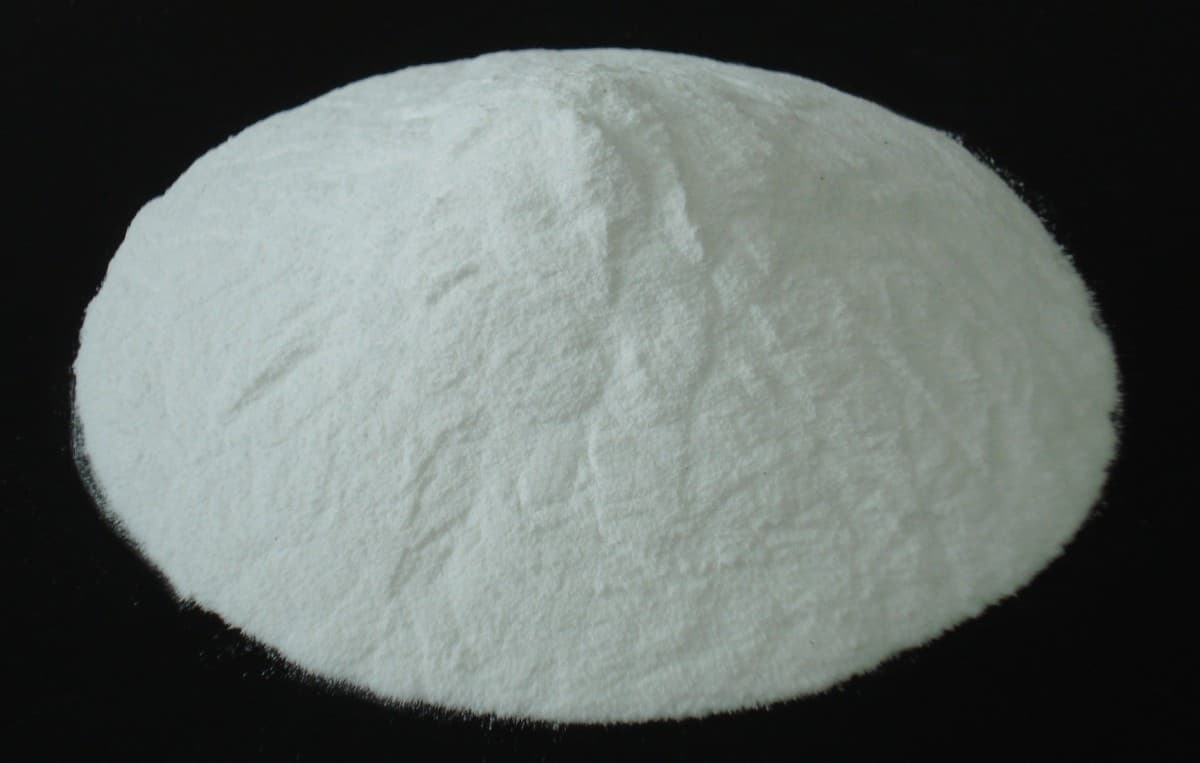
Benzoic Acid is the simplest aromatic carboxylic acid, with the formula C7H6O2 and a molecular weight of 122.12 g/mol. It is produced commercially by the catalytic oxidation of toluene, and occurs naturally in many fruits and spices.
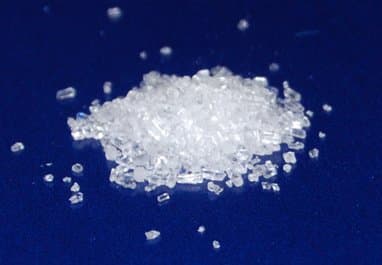
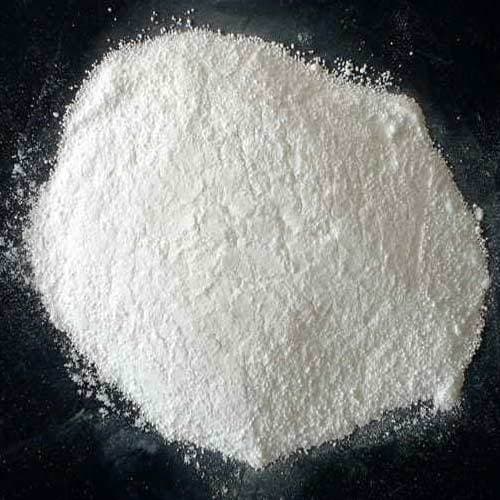
It is a white crystalline solid that is poorly soluble in cold water but much more soluble in hot water and in alcohols and oils. With a pKa of 4.2, it is the active form behind every benzoate preservative.
| Property | Value |
|---|---|
| Chemical name | Benzoic acid; benzenecarboxylic acid |
| CAS number | 65-85-0 |
| EC number | 200-618-2 |
| Molecular formula | C7H6O2 |
| Molecular weight | 122.12 g/mol |
| Appearance | White crystalline powder or flakes |
| Melting point | 122 °C |
| Solubility in water | 2.9 g/L at 20 °C; 56 g/L at 100 °C |
| pKa | 4.2 |
Benzoic acid grades: BP, USP, FCC and Feed
| Grade | Standard | Typical use |
|---|---|---|
| BP | British Pharmacopoeia | Medicines and topical preparations for BP-referencing markets |
| USP | United States Pharmacopeia | Medicines for the US and USP markets |
| FCC | Food Chemicals Codex | Food preservative and flavouring |
| Feed | Feed-grade specification | Animal feed |
| Test | USP |
|---|---|
| Assay (anhydrous basis) | 99.5–100.5% |
| Congealing range | 121–123 °C |
| Water | Not more than 0.7% |
| Residue on ignition | Not more than 0.05% |
Specifications follow the current edition
These limits are summarised from the USP 35 text for illustration. Pharmacopoeias are revised regularly, and supply is tested to the current edition of the grade you order. Ask us for the specification and certificate of analysis for your grade.
Typical Benzoic Acid specification
| Assay | 99.0 – 100.5% |
| Free Acid | pH > 4.4 |
| Loss on Drying | 33.0 - 36.5% |
| Lead (Pb) | Less than 10 ppm |
| Cadmium (Cd) | Less than 5 ppm |
| Arsenic (As) | Less than 3 ppm |
| Mercury (Hg) | Less than 2 ppm |
Typical values. Grade-specific specifications and a certificate of analysis are available on request.
What is benzoic acid used for?
- Food preservation: E210 controls yeasts and moulds in acidic foods, especially where the oil or fat phase needs protecting.
- Pharmaceuticals: an ingredient in topical antifungal preparations such as Whitfield's ointment, and a preservative.
- Cosmetics and personal care: a preservative, within regulated limits.
- Animal feed: used in pig diets, where it is valued for its effects on gut flora and feed preservation.
- Chemical synthesis: a precursor to sodium benzoate, benzoyl chloride, phenol and plasticisers, and used in alkyd resins.
Benzoic acid vs sodium benzoate
Benzoic Acid is the active preservative; Sodium Benzoate is its soluble salt, which turns back into the acid at low pH. Agarwal Life Sciences manufactures both.
| Benzoic Acid | Sodium Benzoate | |
|---|---|---|
| EU additive number | E210 | E211 |
| Water solubility | Poorly soluble (about 2.9 g/L at 20 °C) | Freely soluble (about 63 g/100 mL) |
| Best for | Oil and fat phases, feed and synthesis | Water-based drinks, syrups and sauces |
| Active form | Is the active form | Converts to benzoic acid at low pH |
Regulatory status and HS code
- European Union, food: E210 is authorised under Regulation (EC) No 1333/2008. In non-alcoholic flavoured drinks, benzoates (E210–E213) are limited to 150 mg/L, expressed as benzoic acid.
- EFSA (2016) set a group acceptable daily intake of 5 mg/kg body weight a day for benzoic acid and its salts. JECFA (FAO/WHO) revised its group ADI to 0–20 mg/kg body weight in 2021.
- United States: GRAS as an antimicrobial and flavouring agent under 21 CFR 184.1021, with current usage resulting in a maximum of 0.1% in food.
- European Union, cosmetics: permitted as a preservative under Annex V of Regulation (EC) No 1223/2009, up to 2.5% in rinse-off products, 1.7% in oral care and 0.5% in leave-on products.
- European Union, feed: benzoic acid is authorised as a zootechnical additive for pigs only as specific, holder-named products. Check the authorisation that applies before using any benzoic acid in EU feed.
- HS code: 2916.31 (India ITC-HS 2916 31 10, benzoic acid).
Check the rules in your market
Permitted uses and maximum levels differ by country, including under India's FSSAI regulations, and change over time. Confirm the requirements for your product with your regulatory team, and ask us which documents are available for your grade.
Packing, storage and handling
Agarwal Life Sciences packs Benzoic Acid in 25 kg paper bags with a liner, or in 50 kg HDPE drums.
Store it in well-closed containers in a cool, dry place. Benzoic Acid dust can irritate the skin, eyes and airways, so handle it with dust control and suitable protective equipment, following the safety data sheet.
Why source benzoic acid from Agarwal Life Sciences
- BP, USP, FCC and Feed grades from one manufacturer, alongside Sodium Benzoate.
- 30 years of manufacturing experience, at two GMP plants at MIDC Boisar–Tarapur, Maharashtra.
- Certified to GMP, ISO 9001:2015, FSSC 22000 and FAMI-QS, with Halal and Kosher certification.
- Supplying customers in 39 countries; certificate of analysis and samples on request.
Frequently asked questions
What is the CAS number of benzoic acid?
The CAS number of Benzoic Acid is 65-85-0. Its formula is C7H6O2 and its molecular weight is 122.12 g/mol.
What is benzoic acid used for?
It is a preservative in food (E210) and cosmetics, an ingredient in medicines such as topical antifungals, an additive in pig feed, and a raw material for chemicals including sodium benzoate.
Is benzoic acid soluble in water?
Poorly in cold water, about 2.9 g/L at 20 °C, but much more in hot water (about 56 g/L at 100 °C) and in alcohols and oils. For water-based products, Sodium Benzoate is usually used instead.
What is the pKa of benzoic acid?
About 4.2. Below that pH most of it is in the undissociated form that acts as a preservative, which is why benzoates work best in acidic products.
What is the difference between benzoic acid and sodium benzoate?
Benzoic Acid is the active acid and is poorly water-soluble; Sodium Benzoate is its freely soluble salt, which converts to benzoic acid at low pH. Use the acid for oil phases, feed or synthesis and the salt for water-based products.
Is benzoic acid safe in food?
It is authorised as E210 in the EU and is GRAS in the US. EFSA set a group acceptable daily intake of 5 mg/kg body weight in 2016, and JECFA set 0–20 mg/kg body weight in 2021.
What is the HS code for benzoic acid?
Benzoic Acid is classified under HS code 2916.31. The Indian ITC-HS code is 2916 31 10.
Do you supply feed-grade benzoic acid?
Yes, Benzoic Acid is available in Feed grade. Feed rules differ by market; in the EU, benzoic acid is authorised as a zootechnical feed additive only as specific named products, so check what applies to your use.
What packing is benzoic acid supplied in?
25 kg paper bags with a liner, or 50 kg HDPE drums.
Sources
- Benzoic acid: properties, production and uses
- ChemicalBook: Benzoic acid (CAS 65-85-0)
- USP 35 monograph: Benzoic Acid
- EU CosIng: benzoic acid and sodium benzoate (Annex V)
- Regulation (EC) No 1223/2009, Annex V: cosmetic preservatives
- EFSA (2016): re-evaluation of benzoic acid and its salts (E210–E213)
- JECFA 92nd meeting (2021): summary and conclusions
- Regulation (EU) No 570/2012: benzoates in non-alcoholic flavoured drinks
- US 21 CFR 184.1021: Benzoic acid
- Commission Implementing Regulation (EU) 2018/1550: benzoic acid as a feed additive for pigs
- EFSA FEEDAP (2026): benzoic acid for pigs, renewal opinion
- India ITC-HS 2916 31: benzoic acid and its salts
Last reviewed 2 October 2026. For information on industrial supply only; not medical advice.