On this page
- What is sodium benzoate?
- How sodium benzoate works: the role of pH
- Sodium benzoate grades: BP, USP and FCC
- Typical Sodium Benzoate specification
- What is sodium benzoate used for?
- Sodium benzoate vs benzoic acid
- Regulatory status and HS code
- Packing and storage
- Why source sodium benzoate from Agarwal Life Sciences
- Related products and applications
- Frequently asked questions
- Sources
What is sodium benzoate?
Sodium Benzoate is the sodium salt of benzoic acid, with the formula C7H5NaO2 and a molecular weight of 144.11 g/mol. It is made by neutralising benzoic acid with sodium hydroxide.
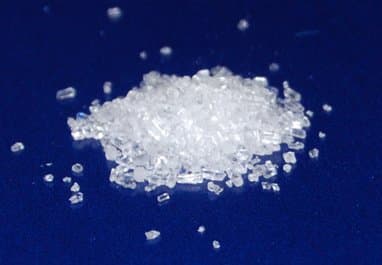
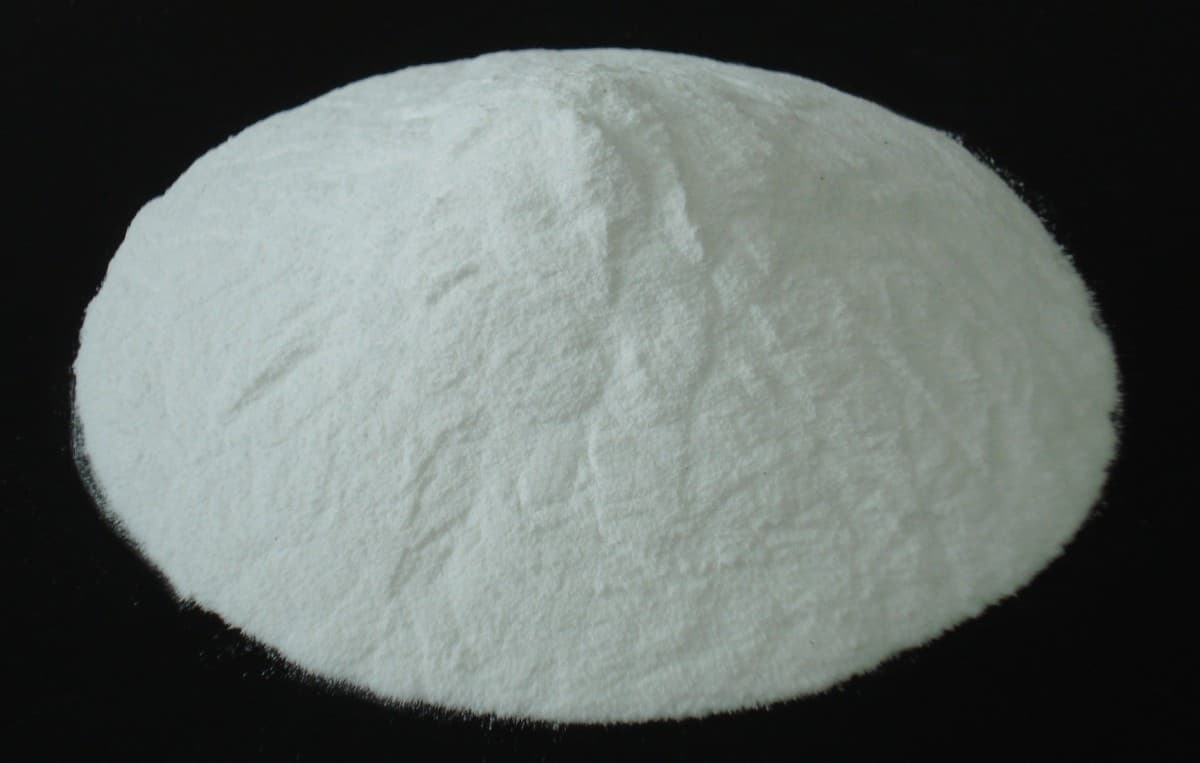
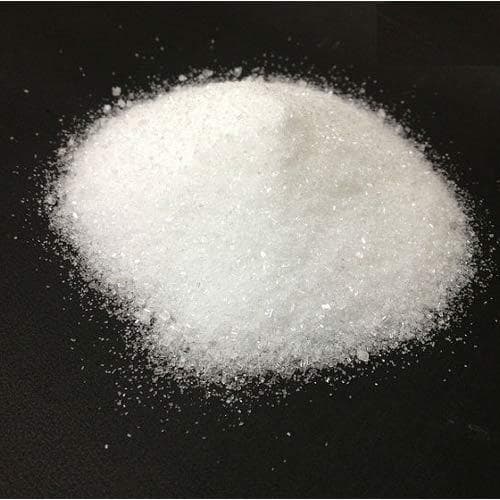
It is a white crystalline powder that dissolves readily in water, about 180 times more than benzoic acid. That solubility is the main reason manufacturers use the salt rather than the acid: it mixes straight into syrups, drinks and sauces.
| Property | Value |
|---|---|
| Chemical name | Sodium benzoate; benzoic acid, sodium salt |
| CAS number | 532-32-1 |
| Molecular formula | C7H5NaO2 |
| Molecular weight | 144.11 g/mol |
| Appearance | White crystalline powder |
| Solubility in water | About 63 g per 100 mL |
| pH of solution | Neutral to slightly alkaline (6.5–8.5 for a 5% solution) |
How sodium benzoate works: the role of pH
Sodium Benzoate is not itself the preservative. In an acidic product it converts to undissociated benzoic acid, and it is that form which enters microbial cells and stops yeasts and moulds from growing.
Benzoic acid has a pKa of 4.2, so the lower the pH, the more of it is in the active form. Sodium Benzoate works best between pH 2.5 and 4.0 and is generally not recommended above pH 4.5. That makes it a natural fit for soft drinks, fruit juices, pickles, sauces and syrups, and a poor choice for neutral foods.
Benzoate and vitamin C in drinks
In drinks that also contain ascorbic acid (vitamin C), benzoate can form trace benzene, more so with heat and light. The US FDA found most drinks it tested had none or very low levels and that reformulation resolved the few high results. Formulators manage it through recipe, pH and storage conditions.
Sodium benzoate grades: BP, USP and FCC
| Grade | Standard | Typical use |
|---|---|---|
| BP | British Pharmacopoeia | Preservative in medicines for the UK and BP-referencing markets |
| USP | United States Pharmacopeia (USP-NF) | Preservative in medicines for the US and USP markets |
| FCC | Food Chemicals Codex | Food and beverage preservative |
| Test | USP-NF | JECFA (food) |
|---|---|---|
| Assay | 99.0–100.5% (anhydrous basis) | 99.0–100.5% (dried basis) |
| Water / loss on drying | Not more than 1.5% | Not more than 1.0% |
| Lead | n/a | Not more than 2 mg/kg |
Specifications follow the current edition
The USP-NF limits are summarised from the USP 32 text and the JECFA limits from its 2002 specification, for comparison. Supply is tested to the current edition of the grade you order. Ask us for the specification and certificate of analysis for your grade.
Typical Sodium Benzoate specification
| Assay | 99.0 – 100.5% |
| Free Acid | pH > 4.4 |
| Loss on Drying | 33.0 - 36.5% |
| Lead (Pb) | Less than 10 ppm |
| Cadmium (Cd) | Less than 5 ppm |
| Arsenic (As) | Less than 3 ppm |
| Mercury (Hg) | Less than 2 ppm |
Typical values. Grade-specific specifications and a certificate of analysis are available on request.
What is sodium benzoate used for?
- Beverages: carbonated soft drinks, fruit juices and squashes, and flavoured drinks.
- Foods: pickles, sauces, ketchup, jams, salad dressings and other acidic foods.
- Pharmaceuticals: a preservative in oral liquids such as syrups and suspensions.
- Cosmetics and personal care: a preservative in rinse-off and leave-on products, within regulated limits.
- Premixes and feed: a preservative in liquid and acidic formulations.
Sodium benzoate vs benzoic acid
Both deliver the same active preservative, benzoic acid, at low pH. The choice comes down to how the ingredient has to dissolve. Agarwal Life Sciences manufactures both.
| Sodium Benzoate | Benzoic acid | |
|---|---|---|
| EU additive number | E211 | E210 |
| Water solubility | Freely soluble (about 63 g/100 mL) | Poorly soluble (about 2.9 g/L at 20 °C) |
| Best for | Water-based drinks, syrups and sauces | Oil and fat phases, feed and industrial synthesis |
| Active form | Converts to benzoic acid at low pH | Is the active form |
Regulatory status and HS code
- European Union, food: E211 is authorised under Regulation (EC) No 1333/2008. In non-alcoholic flavoured drinks, benzoates (E210–E213) are limited to 150 mg/L, expressed as benzoic acid.
- EFSA (2016) set a group acceptable daily intake of 5 mg/kg body weight a day for benzoic acid and its salts. JECFA (FAO/WHO) revised its group ADI to 0–20 mg/kg body weight in 2021.
- United States: GRAS as an antimicrobial and flavouring agent under 21 CFR 184.1733, with current usage resulting in a maximum of 0.1% in food.
- European Union, cosmetics: permitted as a preservative under Annex V of Regulation (EC) No 1223/2009, up to 2.5% in rinse-off products, 1.7% in oral care and 0.5% in leave-on products (as acid).
- HS code: 2916.31 (India ITC-HS 2916 31 40, sodium benzoate).
Check the rules in your market
Permitted foods and maximum levels differ by country, including under India's FSSAI regulations, and change over time. Confirm the requirements for your product with your regulatory team, and ask us which documents are available for your grade.
Packing and storage
Agarwal Life Sciences packs Sodium Benzoate in 25 kg paper bags with a liner, or in 50 kg HDPE drums.
Sodium Benzoate can absorb moisture from the air, so store it in well-closed containers in a cool, dry place and reseal opened packs.
Why source sodium benzoate from Agarwal Life Sciences
- BP, USP and FCC grades from one manufacturer, alongside Benzoic Acid.
- 30 years of manufacturing experience, at two GMP plants at MIDC Boisar–Tarapur, Maharashtra.
- Certified to GMP, ISO 9001:2015 and FSSC 22000, with FSSAI and FDA Maharashtra licences, and Halal and Kosher certification.
- Supplying customers in 39 countries; certificate of analysis and samples on request.
Frequently asked questions
What is sodium benzoate used for?
It is a preservative that stops yeasts and moulds growing in acidic products: soft drinks, juices, pickles, sauces, syrups and cosmetics. In the EU it is food additive E211.
At what pH does sodium benzoate work?
It works best between pH 2.5 and 4.0 and is generally not recommended above pH 4.5. At low pH it converts to undissociated benzoic acid, the active form.
What is the difference between sodium benzoate and benzoic acid?
Sodium Benzoate is the sodium salt and dissolves freely in water; benzoic acid is the active acid and is poorly soluble. Use the salt for water-based products and the acid for oil phases, feed or synthesis.
What is the CAS number of sodium benzoate?
The CAS number of Sodium Benzoate is 532-32-1. Its formula is C7H5NaO2 and its molecular weight is 144.11 g/mol.
Is sodium benzoate safe?
It is authorised as E211 in the EU and is GRAS in the US. EFSA set a group acceptable daily intake of 5 mg/kg body weight for benzoic acid and its salts in 2016, and JECFA set 0–20 mg/kg body weight in 2021.
How much sodium benzoate is allowed in soft drinks?
In the EU, benzoates in non-alcoholic flavoured drinks are limited to 150 mg/L, expressed as benzoic acid. Other countries set their own limits, so check the rules in your market.
Can sodium benzoate be used with vitamin C?
With care. Benzoate and ascorbic acid can form trace benzene in drinks, especially with heat and light. Manufacturers control it through formulation and storage, and the US FDA found reformulation resolved the few high results it measured.
What is the HS code for sodium benzoate?
Sodium Benzoate is classified under HS code 2916.31. The Indian ITC-HS code is 2916 31 40.
How should sodium benzoate be stored?
In well-closed containers in a cool, dry place, as it can absorb moisture from the air.
What packing is sodium benzoate supplied in?
25 kg paper bags with a liner, or 50 kg HDPE drums.
Sources
- Sodium benzoate: properties and production
- JECFA specification: Sodium benzoate (2002)
- USP 32 monograph: Sodium Benzoate
- ChemicalBook: Sodium benzoate (pH range of activity)
- Benzoic acid: pKa and solubility
- US FDA: benzene in soft drinks and other beverages
- EFSA (2016): re-evaluation of benzoic acid and its salts (E210–E213)
- JECFA 92nd meeting (2021): summary and conclusions
- Regulation (EU) No 570/2012: benzoates in non-alcoholic flavoured drinks
- US 21 CFR 184.1733: Sodium benzoate
- Regulation (EC) No 1223/2009, Annex V: cosmetic preservatives
- India ITC-HS 2916 31: benzoic acid and its salts
Last reviewed 2 October 2026. For information on industrial supply only; not medical advice.